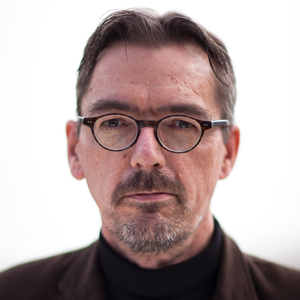
يُعنى التصميم من أجل الاستدامة بتطوير سبل عيش أقل ضرراً وبناء مستقبل أفضل. وعلينا أن نفهم ما المقصود بـ«الأفضل»، وكيف نقيّم هذا «الأفضل»، والاتجاه الذي ينبغي سلوكه. وهنا يناقش ستيوارت ووكر، أستاذ كرسي «التصميم من أجل الاستدامة» في جامعة لانكستر، ويشرح لنا تناقضاتٍ جوهرية في المقاربات الراهنة للتصميم، والقيود، والاتجاهات المستقبلية المختلفة — أو «المخرج» اللازم — للوصول إلى هدفنا في الاستدامة.
Design for sustainability is concerned with developing less damaging ways of living and building better futures. We need to understand what is meant by “better,” how we assess this “better,” and the direction to be taken. Stuart Walker, Chair of Design for Sustainability at Lancaster University, discusses and explains for us significant contradictions in current approaches to design, the limitations, and the different future directions — or exit — needed to reach our goal of sustainability.
النمو الاقتصادي والاستدامة هدفان يستبعد أحدهما الآخر. فالنمو الاقتصادي معروف باستخراج الموارد والتصنيع الضخم وتشجيع الاستهلاك، وهو ما يقود إلى تدمير البيئة وإنتاج النفايات والتلوث. فلا عجب أن السعي إلى الاستدامة لا يثمر نتائج مجدية. ويُصوَّر الاستهلاك باستمرار في صورة إيجابية بوصفه أملاً للاقتصاد، لكن منظومة التبعية هذه بين الاستهلاك والاقتصاد مختلّة من أساسها؛ فهي ليست عاجزة عن تلبية أعمق احتياجات الناس وإمكاناتهم فحسب، بل هي أيضاً مجحفة إلى حدّ فاضح ومدمِّرة بتهوّر. وعند التدقيق نرى أن هدف الشركات الكبرى هو تعظيم الأرباح لا العناية برفاه الناس والكوكب. والمفتاح هنا هو التسويق، الذي يُستخدَم لفهم تفضيلات المستخدمين ورغباتهم وربطها بالسلع المراد بيعها، بل يمكن استخدامه لخلق رغبات ونزعات لم تكن موجودة أصلاً لدى المستهلكين. وكانت مجموعات التركيز تُستخدَم تقليدياً لمعرفة مواقف المستخدمين ومعتقداتهم ورغباتهم وردود أفعالهم، أما في الآونة الأخيرة فيتم ذلك عبر حصاد البيانات من الشبكة والتنقيب في المعلومات القائمة. وتُغذّي هذه المنظومةَ القائمةَ على الاستهلاك أبحاثٌ علمية وسلعٌ وخدمات معتمِدة على التكنولوجيا، وتساعد العولمة والتجارة الحرة والطاقة الرخيصة على التوسّع السريع لمثل هذه المنظومات، مع تغاضٍ واضح عن المعايير البيئية وحقوق الإنسان. كما انهارت أنماط حياة شديدة التنوّع في اتجاه رئيسي واحد يتّسم بنمو التكنولوجيا واقتنائها، في غضون عقود. وباتت الإخفاقات الخطيرة لما سمّاه برغوليو «عولمة التماثل المهيمن» ظاهرة على نطاق واسع.
Economic growth and sustainability are two mutually exclusive goals. Economic growth is known for resource extraction, mass manufacturing, and the promotion of consumption, which leads to environmental destruction, waste production, and pollution. No wonder striving for sustainability is not giving us fruitful results. Consumption is constantly painted in a positive light, as a hope for the economy, yet this consumption-and-economy dependency system is fundamentally flawed. It is not only incapable of fulfilling people’s deepest needs and potential; it is grossly inequitable and recklessly destructive. On closer inspection, we can see that the aim of large corporations is to maximize profits, not to care for the well-being of people and the planet. The key here is marketing: it is used to understand user preferences and desires and to link them to the commodities to be sold — and it can also be used to create desires and cravings that never existed in consumers in the first place. Focus groups were traditionally used to learn about users’ attitudes, beliefs, desires, and reactions; in recent times this is done through data harvesting from the web and data mining of existing information. This consumption-focused system is spurred on by scientific research and technology-dependent goods and services, while globalization, free trade, and cheap energy aid the rapid expansion of such systems — clearly turning a blind eye to environmental standards and human rights. Highly diverse ways of life have also collapsed into one principal direction, characterized by technological growth and acquisition, within the course of decades. The serious failings of this “globalization of hegemonic uniformity,” as Bergoglio termed it, are now widely visible.
وبحثاً عن مخرج (أو مخارج) من هذا المسار المدمِّر، تبرز مقاربتان مترابطتان. الأولى هي «الحداثة البيئية» (Eco-modernism)، المخرج الأول، التي تقدّم حلولاً تكنولوجية قائمة على العلم لمعضلاتنا الراهنة. وهذا امتداد وتطوير للحداثة، الحقبة التي رأت العلم بديلاً عقلانياً للخرافة التي شملت عند كثيرين الدينَ. وترتبط ارتباطاً وثيقاً بفلسفتَي المادية والطبيعانية اللتين جادل الفيلسوف جون غراي بأنهما مجرد نوع آخر من الإيمان، إيمانٍ بفكرة التقدّم الإنساني. ومع مرور الوقت صار العلم والتكنولوجيا متعاضدين ومتشابكين، بما أدّى إلى حلول تقنية-علمية تُوظَّف في شتى الشواغل البيئية. ويمكن لهذه التقنيات البيئية أن تسهم إسهاماً كبيراً، لكن ثمة حاجة إلى الحذر؛ فإذا اعتُبرت الحلَّ لأزمة البيئة ونُفِّذت دون حساسية للسياق، وحين تعمل على ترسيخ قيم وأولويات بالية، فقد تضرّ أكثر مما تنفع. فهذه المقاربات التقنوفيلية تميل إلى الاستجابة للظواهر الخارجية فقط، وتفضي إلى منتجات جديدة ومبيعات جديدة ودعم نمو الأعمال. وكغيرها من المنتجات، يعتمد إنتاجها على استغلال البيئة الطبيعية وتدمير الموائل. ومن ثمّ فإن للمقاربة منافع وقيماً خارجية في المقام الأول، وهي بذلك تقليدية في تفكيرها إلى حدّ ما. ولذلك تميل الحداثة البيئية إلى تغذية إدماننا لاقتصاد النمو بدلاً من تحدّيه. وهي في جوهرها مجرد استمرار لمسارنا الحالي. ويمكن تشبيه هذا المخرج الأول بمجرد توقّف في «حظيرة الصيانة» لإعادة طلاء أخضر، قبل العودة إلى الطريق السريع الرئيسي بسرعة أبطأ قليلاً.
In looking for an exit (or exits) from this destructive course, two interrelated approaches come to the fore. Eco-modernism, the first exit, offers scientifically based technological solutions to our current dilemmas. This is the continuation and development of modernity, the period that saw science as the rational alternative to superstition — which for many people included religion. It is closely associated with the philosophies of materialism and naturalism, which the philosopher John Gray has argued to be just another kind of faith: faith in the idea of human progress. Over time, science and technology have become mutually supporting and entangled, leading to techno-scientific solutions that are employed in all kinds of environmental concerns. These eco-technologies can make significant contributions, but there is a need for caution: if regarded as the solution to the environmental crisis and implemented without sensitivity to context, and when they serve to reinforce outdated values and priorities, they can do more harm than good. Such technophilic approaches tend to respond only to external phenomena; they lead to new products, new sales, and support business growth. Like other products, their production depends on the exploitation of the natural environment and the destruction of habitats. The approach therefore has primarily extrinsic benefits and values and is thus rather conventional in its thinking. Eco-modernism therefore tends to nourish rather than challenge our addiction to growth-based economics. In its essentials, then, it is simply a continuation of our present course. This first exit can be likened to a mere pit stop for a green respray before returning to the main highway at a slightly slower speed.
أما «التنمية المستدامة»، المخرج الثاني، التي تُفهَم عادةً من حيث الآثار البيئية والاجتماعية والاقتصادية المترابطة للأنشطة البشرية، فقد صارت شاغلاً كبيراً للحكومات والشركات في العالم كله؛ وهي ما يُسمّى «المحصلة الثلاثية». وتتضمن عملياً تحسينات تكنولوجية كفاءةِ الطاقة وخفضِ الانبعاثات، وهو ما قد يؤدي أيضاً إلى منافع اجتماعية-اقتصادية عبر وظائف جديدة وبيئات أصحّ. وتشمل تحليل دورة الحياة، وتحليل «المهد إلى المهد»، وعملية «الخطوة الطبيعية»، وأنظمة المنتج-الخدمة (PSS)، والاقتصاد الدائري. كما دفعت إلى أهداف وغايات متفق عليها وطنياً ودولياً مثل أهداف الأمم المتحدة للتنمية المستدامة. ومن المفهوم أن جهوداً كبيرة تُبذَل، ومع ذلك تبقى تناقضات عميقة؛ فرغم هذه الجهود تستمر الانبعاثات في الارتفاع، وتستمر الأنواع في الاختفاء، وتبقى الفوارق بين الأغنياء والفقراء مرتفعة للغاية، حتى في الدول الأكثر ثراء. ومن ثمّ فإن القيم والمنافع في مقارباتنا للتنمية المستدامة خارجية في طبيعتها بالدرجة الأولى. فالحكومات والأعمال تروّج لشكل من التنمية المستدامة يتضمن نمواً اقتصادياً يقوم إلى حدّ كبير على الاستهلاك، وهو أمر غير قابل للاستمرار على كوكب محدود الموارد. وقد قال جون إلكنغتون، صاحب فكرة «المحصلة الثلاثية»، مؤخراً إنها لم تنجح لأنها لم تُعتمَد بطريقة متكاملة؛ فقد فُصِلت مكوّناتها عملياً، وتحظى العوامل الاقتصادية دائماً بالأسبقية. ولذا فإن التنمية المستدامة، كالحداثة البيئية، مقيَّدة بتفكيرها ورؤيتها التقليديين. وهي أشمل من الحداثة البيئية، لكنها تبقى قاصرة. والمطلوب مقاربة أكثر جذرية في النظرة والقيم إن أردنا الابتعاد عن أفكارنا الحالية عمّا يشكّل الحياة الطيبة. وكما يقترح هيرمان دالي، يمكن اعتماد «اقتصاد الحالة المستقرة» والتنمية دون نمو. كما يلزمنا خفض طلبنا الإجمالي على استهلاك السلع والخدمات. لكن من غير المرجّح أن يلقى هذا الاقتراح ترحيباً من الأعمال أو الحكومة. ومن ثمّ يمكن فهم المخرج الثاني بوصفه نوعاً من الالتفاف، مساراً بديلاً لكنه يقود إلى الوجهة نفسها.
Sustainable development, the second exit — usually understood in terms of the interrelated environmental, social, and economic impacts of human activities — has become a significant concern for governments and businesses all over the world: the so-called triple bottom line. In practice it includes technological improvements such as energy efficiency and emissions reductions, which can potentially also lead to socioeconomic benefits through new jobs and healthier environments. It includes life-cycle analysis, cradle-to-cradle analysis, the Natural Step process, product-service systems (PSS), and the circular economy. It has also prompted nationally and internationally agreed targets and objectives, such as the UN’s Sustainable Development Goals. Understandably, considerable efforts are being made, yet deep contradictions remain, so that despite these efforts, emissions continue to rise, species continue to disappear, and disparities between rich and poor remain extremely high, even in the wealthier nations. In our approaches to sustainable development, therefore, the values and benefits are primarily extrinsic in nature. Governments and business promote a form of sustainable development that includes economic growth, which is to a large extent based on consumption, but this is untenable on a finite planet. And the proponent of the triple bottom line, John Elkington, has recently said that it hasn’t worked because it hasn’t been adopted in an integrated way: the different components have been separated out in practice, and the economic factors always take precedence. Like eco-modernism, therefore, sustainable development is limited by its conventional thinking and vision. It is more comprehensive than eco-modernism, but it still falls short. A more fundamental approach is needed in outlook and values if we are to move away from our current ideas of what constitutes a good life. As Herman Daly suggests, a steady-state economy and development without growth can be adopted. We also need to reduce our overall demand for the consumption of goods and services. But such a suggestion is unlikely to be welcomed by either business or government. The second exit, then, can be understood as something of a detour — an alternative route, but one leading in the same direction.
أما المخرج الثالث، فيلزمنا أن نسلك اتجاهاً مختلفاً تماماً، اتجاهاً لا يكتفي بإنتاج تنويعات على لحنٍ مألوف. وعلينا أن ندرك أن النزعة الاستهلاكية وآثارها كلها مرتبطة بأفكارنا عن التنمية التي تُفسَّر في المقام الأول من حيث المنافع المادية؛ أي التنمية الدنيوية أو الخارجية. وهذا بالذات هو ما يدمّر الكوكب وجودة حياتنا. ولتحقيق تغيير دائم يُنشَد عن طيب خاطر، علينا أن نعالج شيئاً أعمق في أنفسنا. ومن ثمّ فإن طريق التعافي لا يتعلق بمجرد التنمية الخارجية والمنافع الخارجية، بل أيضاً بالتنمية الداخلية والمكافآت الجوهرية؛ تغييرٍ في القيم والأولويات، تغييرٍ في القلب إن شئت.
So, the third exit: we need to take a different direction altogether — one that does not simply continue to create variations on a familiar theme. We must recognize that consumerism and its impacts are all related to our ideas of development, which is interpreted primarily in terms of material benefits; this is worldly, or external, development. And it is this that is destroying the planet and our quality of life. For a lasting change that is willingly sought, we have to address something deeper in ourselves. Therefore, the road to recovery is not simply about outer development and extrinsic benefits, but also about inner development and intrinsic rewards — a change of values and priorities, a change of heart, if you like.
تخبرنا التقاليد الروحية والفلسفية عبر العصور أن التنمية الداخلية والازدهار الشخصي وخلق حياة ذات معنى تُستنبَت عبر الاعتدال والتواضع والرحمة، وعبر علاقاتنا ومعاملتنا للآخرين وللأنواع الأخرى وللبيئة الطبيعية، بما يفضي بدوره إلى تنمية داخلية. وحين تُستلهَم أولوياتنا من قيمٍ متعالية على الذات، يتّخذ فعلُنا في العالم نبرةً وتركيزاً مختلفين، بما يؤدي إلى حلول مختلفة نوعياً. فيصير الداخلي والخارجي متبادلَي الإلهام ومتّحدَين، منهارةً بينهما الحدود بين الذاتي والموضوعي، وبين الوقائع والقيم. وتنبثق مقاربة أكثر شمولية، نرى فيها أنفسنا جزءاً لا يتجزأ من العالم؛ وهذا يختلف عن نظرتنا الحالية التي نرى فيها أنفسنا منفصلين عن العالم ونعدّه مجرد مورد نتحكم فيه ونطوّعه لإرادتنا.
Spiritual and philosophical traditions down the ages tell us that inner development, personal flourishing, and the creation of a meaningful life are cultivated through moderation, humility, compassion, our relationships, and our treatment of other people, other species, and the natural environment — in turn leading to inner development. When our priorities are informed by self-transcending values, our actions in the world take on an altered tone and emphasis, leading to qualitatively different solutions. Inner and outer become mutually informing and unified, breaking down the distinction between the subjective and the objective, between facts and values. A more holistic approach emerges, one in which we see ourselves as integral to the world. This differs from our current view, where we see ourselves as separate from the world and regard it as merely a resource to be controlled and bent to our will.
ويقرّ هذا الفهم الموحَّد بأهمية سبل التفكير غير العقلانية، كالحدس والخيال، فضلاً عن الخبرة الإنسانية والمعرفة التقليدية. وترتبط هذه بتفكير «النصف الأيمن» من الدماغ، وبأسئلة الغاية القصوى ومفاهيم الفضيلة والإبداع.
This unified understanding recognizes the importance of non-rational ways of thinking, such as intuition and imagination, as well as human experience and traditional knowledge. These are associated with right-brain thinking and with questions of ultimate purpose, notions of virtue, and creativity.
في البلدان الأكثر ثراء، تتعارض فكرة «الكفاية» مع الموضوعات المهيمنة على الثقافة — تلك المتعلقة بالابتكار والتقدم والرقيّ والأكبر والأسرع والأفضل والأكثر. فالكفاية تعني تجنّب الإفراط والبذخ في التصميم، وضبط الاستهلاك، وتنمية حسٍّ بضبط النفس. وهذا يساعد على تقليص العلامات الخارجية للفوارق في المكانة والموقع الاجتماعي التي عادةً ما يُعبَّر عنها عبر «تصاميم المكانة». ويرتبط هذا بدوره بإحساسنا بالقناعة والسعادة.
In the wealthier countries, the idea of sufficiency flies in the face of the dominating themes of culture — those about innovation, progress, advancement, bigger, faster, better, and more. Sufficiency means avoiding excess and extravagance in design, moderating consumption, and developing a sense of self-discipline. This helps reduce the outer signs of status difference and social position that are commonly expressed through prestige designs. In turn, this is related to our sense of contentment and happiness.
وتدعم «المحلّية» (Localization) الأعمالَ المحلية، وتستثمر الموارد المحلية، وتستخدم السلع والخدمات المحلية لتلبية احتياجات المرء. وكل ذلك يتوافق مع الاستدامة لأن الشحن والتغليف يقلّان، ولأن المنتجات المصنوعة محلياً أكثر عرضة للإصلاح. كما تعزّز بناء القدرات المحلية والحيلة والاعتماد على الذات، وحسّ الهوية المحلية. وتعزّز الثقة لأن السمعة المحلية تصبح مهمة. وصنعُ المنتجات الملائمة للسياق وصيانتُها وإصلاحُها يطيل عمر المنتج ويدعم الإبداع، ويعزّز إحساس المرء بالهوية والإنجاز. ويمكن لهذه الممارسات أن تكون مُرضِية بعمق وممتعة، بل تأمّلية، ولها منافع من حيث الصحة والعافية.
Localization supports local businesses, utilizes local resources, and uses local goods and services to furnish one’s needs. All of this accords with sustainability because shipping and packaging are reduced, and locally made products are more likely to be repaired. It also promotes local capacity building, resourcefulness, and a sense of local identity. And it promotes trust, because local reputation becomes important. Making, maintaining, and repairing context-appropriate products promotes product longevity and supports creativity; this reinforces one’s sense of identity and achievement. Such practices can be deeply satisfying and pleasurable, even meditative, and they have benefits in terms of health and well-being.
في العصور الحديثة تآكل المجتمع المحلي وصارت المجتمعات مفتَّتة على نحوٍ متزايد، وهو ما قد يفضي إلى العزلة والوحدة والتعاسة والاكتئاب. يضاف إلى ذلك أن مراكز المدن دُمِّرت في البداية بفعل المتاجر الكبرى خارج المدينة، ثم لاحقاً بفعل التسوّق عبر الإنترنت. ولذلك ثمة حاجة إلى إعادة تخيّل مراكز المدن لتكون موجّهة أكثر نحو الأنشطة الثقافية والاجتماعية والترفيهية إلى جانب الخدمات الأساسية. وإعادةُ بناء المجتمع المحلي يمكن أن تعزّز الإحساس بالمكان والانتماء؛ والحلولُ المتمحورة حول المجتمع التي يطوّرها السكان المحليون — ربما بدعم من الحكومة المركزية — لها فرصة أكبر للنجاح.
In modern times, community has become eroded and society has become increasingly atomized. This can result in isolation, loneliness, unhappiness, and depression. In addition, town centers have been devastated — initially by out-of-town malls and later by online shopping. Consequently, there is a need to reimagine town centers so that they are geared more toward cultural, social, and recreational activities as well as essential services. Rebuilding community can enhance a sense of place and belonging; and community-centered solutions developed by local people, perhaps with the support of the central government, have a better chance of success.
ثمة حاجة إلى إعادة التفكير في غاية الأعمال التجارية ودورها في المجتمع. وهناك نماذج ممكنة متعددة، لكن عليها أن تقوم على التزام حقيقي بالعناية بالبيئة وبالمجتمع وبالصالح العام. فمبادرات مثل «المسؤولية الاجتماعية للشركات» وبرامج «الحوكمة البيئية والاجتماعية» أثبتت عدم فاعليتها لأنها منفصلة عن الغاية الأساسية للعمل وأنشطته. أما النماذج التعاونية للأعمال، مثلاً، فيمكن أن تكون ناجحة تجارياً، وتساعد في الوقت نفسه على ضمان توزيع أعدل للثروة عبر وضع سقف للفارق بين أعلى العمال أجراً وأدناهم.
There is a need to rethink the purpose of business and its role in society. Various models are possible, but they have to be founded on a genuine commitment to environmental care, community, and the common good. Initiatives like corporate social responsibility and environmental, social, and governance programs have proved ineffective because they are disconnected from the core purpose and activities of the business. Cooperative business models, for example, can be commercially successful while also helping ensure a fairer distribution of wealth by capping the differential between the highest- and lowest-paid workers.
عادةً ما تدعم البرامج الحكومية للتنمية الاقتصادية الإقليمية التقنياتِ الجديدة والابتكارَ ونموَّ الأعمال والحوافزَ الرامية إلى اجتذاب شركات كبيرة من أماكن أخرى. وتميل مثل هذه السياسات إلى ترسيخ الحلول «من القمة إلى القاعدة». وتُظهِر الأبحاث أن ما يهمّ الناسَ أكثرَ من النمو الاقتصادي هو صحتُهم ورفاهُهم العام، وعلاقاتُهم في البيت والعمل وفي المجتمع. وكما يدعو تيمسون إلى مبادرات تُطوَّر وتُقاد محلياً وتُيسِّرها الحكومة؛ وهو ما يسمّيه «الحكومة المقلوبة». ويمكن للحكومات أيضاً أن تضع تدابير لتقليل التفاوتات عبر الضرائب التصاعدية، لأن الإجحاف الاجتماعي أمر جوهري بالنسبة للاستدامة.
Government programs for regional economic development generally support new technologies, innovation, business growth, and incentives aimed at attracting large companies from elsewhere. Such policies tend to reinforce top-down solutions. Research shows that, rather than economic growth, what matters most to the public are their health and general well-being and their relationships at home, at work, and in the community. Timson argues for locally developed, locally led initiatives that are facilitated by government; he calls this “upside-down government.” Governments can also put in measures to reduce inequalities through progressive taxes, because social inequity is fundamental to sustainability.
للتصميم دور مهم في تطوير أعمال إبداعية تسهم في أسلوب حياة ذي معنى، وتتجاوز الاحتياجات الأساسية والمنفعة العملية والملذّات الدنيوية. فالتصميم الذي يتّسم بالعمق وبالأهمية الدائمة يتطلب تنمية شمولية تدمج الذات الداخلية بالتعبير الخارجي. والتصميم المعتدل المتحفّظ يساعد على تجنّب «التقادم النفسي» المرتبط بالموضات المسرِفة. والتصاميم المصنوعة من مواد جيدة النوعية يمكن إصلاحها وترقيتها تساعد على ضمان طول عمر المنتج. لكن ثمة أيضاً حاجة إلى «ألّا نصمّم»، حاجة إلى الاعتراف بأننا نصمّم وننتج أكثر من اللازم. ويمكن للحكومات أن تؤدي دوراً هنا بسنّ ضوابط ضد الإفراط في الابتكار والإنتاج. كما يمكن للمصممين أن يسهموا على مستوى المجتمع المحلي بدعم المبادرات المحلية بمهاراتهم ومعارفهم المتخصصة.
Design has an important role to play in developing creative work that contributes to a meaningful way of life and goes beyond basic needs, practical utility, and worldly pleasures. Design that has depth and is of lasting significance requires holistic development that integrates the inner self with outer expression. Moderate, restrained design helps avoid the psychological obsolescence associated with extravagant fashions. Designs from good-quality materials that can be repaired and upgraded help ensure product longevity. But there is also a need not to design — a need to recognize that we design and produce too much. Governments can also play a role here, regulating against too much innovation and production. Designers, too, can contribute at the community level, supporting local initiatives with their specialized skills and knowledge.
ومن ثمّ فإن المخرج الثالث للتصميم متجذّر في التنمية الداخلية ومدفوع بقيم وأولويات مختلفة تماماً. فهو يرفض الأجندات التي تُغذّي عمداً الانقسام الاجتماعي وعدم الرضا والشعور بالغرور، ويشكّك في الابتكار لذاته الذي يفضي إلى فرط الإنتاج وتصاعد استهلاك الموارد والطاقة والتلوث والنفايات وتدمير البيئة الطبيعية. وهو بدلاً من ذلك شكل من التصميم يُعلي قيمة الكفاية والمحلّية وصنعِ ما لدينا بالفعل وصيانتِه، وتطوير مبادرات وخدمات تساعد على إعادة بناء الإحساس بالمجتمع. ويمكن تيسير هذه الاتجاهات عبر نماذج أعمال أكثر تعاونية، وعبر سياسات حكومية تدعم التغيير الإيجابي على المستوى المحلي. وكل هذه المجالات تساعد على تحديد دور أكثر تكاملاً وجوهرية للتصميم في تشكيل ثقافة مادية أكثر معنى ومستقبل أكثر استدامة.
Consequently, the third exit for design is rooted in inner development and driven by quite different values and priorities. It rejects the agendas that deliberately foster social division, dissatisfaction, and a feeling of vanity. And it questions innovation for its own sake, which results in overproduction, rising resource and energy use, pollution, waste, and the destruction of the natural environment. Instead, it is a form of design that values sufficiency, localization, making and maintaining the things we already have, and developing initiatives and services that help rebuild a sense of community. These directions can be facilitated through more cooperative business models and through government policies that support positive change at the local level. All these areas help define a more integrative and substantive role for design in shaping a more meaningful material culture and a more sustainable future.
بهذا نصل إلى نهاية حديث آركي نت. وإن أردت القراءة أكثر عن الموضوعات التي تناولناها هنا، فأحدث كتاب منشور لستيوارت ووكر هو «Design Realities»، وكتابه التالي الذي سيصدر في ديسمبر بعنوان «Design & Spirituality»، وكلاهما عن دار Routledge.
This brings us to the end of our ArchiNet talk. If you’d like to read more about the topics covered here, Stuart Walker’s most recent published book is “Design Realities,” and his next book, to be published in December, is called “Design & Spirituality” — both published by Routledge.