
مع التسارع الكبير في التنمية البشرية، يزداد الاختلال البيئي بالقدر نفسه. ومن ثمّ، فإن حلول البناء المستدامة ضرورةٌ للمستقبل كما للحاضر. واليوم تُطلعنا المعمارية لُبنى فاطمة على أحد هذه الحلول المستدامة اللافتة، وهو «القبة الأحادية» (Monolithic Dome).
With the rapid pace of human development, environmental imbalance increases proportionally. Hence, sustainable building solutions are a necessity for the future as well as the present. Today, architect Lubna Fatima briefs us on one such remarkable sustainable solution: the Monolithic Dome.
تمثّل القباب الأحادية نقلةً نوعية في تقنية البناء. وتُشيَّد للمنازل والمدارس والمنشآت الرياضية والكنائس ومستودعات التخزين الكبرى وغيرها. وقد بُنيت المئات منها حول العالم. وقد ابتُكرت طريقة البناء هذه عام 1975 على يد ديفيد ب. ساوث وشقيقيه بيري وراندي.
Monolithic domes are a paradigm shift in construction technology. They are built for homes, schools, sports facilities, churches, bulk storage, and more. Hundreds of monolithic domes have been built all over the globe. This construction process was invented in 1975 by David B. South and his brothers Barry and Randy.
وتُبنى جميع القباب الأحادية — بصرف النظر عن حجمها وتصميمها — باستخدام طريقة البناء نفسها، التي تمرّ بالخطوات التالية:
All monolithic domes, regardless of size and design, are built using the same construction process, which goes through the following steps:
- تبدأ القبة بأساسٍ على هيئة حلقة خرسانية (ring beam) مُسلَّحة بحديد التسليح، يمنح القبة السلامة الإنشائية اللازمة لمقاومة الحرائق والكوارث. وتُثبَّت قضبان فولاذية رأسية داخل الحلقة تُربَط لاحقاً بتسليح القبة نفسها. وقد تستخدم القباب الصغيرة أساساً أرضياً حلقياً متكاملاً، وإلا فتُصبّ الأرضية بعد اكتمال القبة.
- يُثبَّت على الحلقة قالبٌ هوائي (airform) مصمَّم خصيصاً ومصنوع من قماشٍ مطليٍّ بالـPVC. ويُنفَخ بالمراوح حتى ضغطٍ محدَّد — عادةً بوصتان من عمود الماء — فيأخذ القالب شكل المنشأة. وتحافظ المراوح على ضغط القالب وتستمرّ في العمل طوال مدة بناء قشرة القبة.
- يُرشّ نحو 3 بوصات من رغوة البولي يوريثان — التي يعدّها كثيرون أفضل عازلٍ في العالم — على السطح الداخلي للقالب الهوائي.
- تُغرَس في الرغوة معلّقاتٌ خاصة لحديد التسليح توفّر القاعدة اللازمة لتثبيت قضبان التسليح الفولاذية.
- يُثبَّت حديد التسليح على الرغوة وفق نمطٍ أفقي ورأسي مصمَّم هندسياً بعناية، ويعتمد حجم الحديد وكميته على غرض المنشأة وحجمها؛ فالقباب الكبيرة تتطلّب قضباناً كبيرة بتباعدٍ صغير، بينما تكتفي القباب الصغيرة بقضبانٍ صغيرة بتباعدٍ أكبر.
- ثم يُرشّ «الشوتكريت» (shotcrete) — وهو خليطٌ خرساني فائق القوة يُرشّ رشّاً — على السطح الداخلي للقبة، فيُغمَر حديد التسليح في الخرسانة. ويعتمد سُمك الخرسانة على حجم المبنى وغرضه؛ بمتوسط 3 بوصات للمنزل، و2 قدم لمنشأة التخزين الثقيلة.
- The dome starts as a concrete ring-beam foundation reinforced with steel rebar, giving the dome the structural integrity needed to withstand fires and disasters. Vertical steel bars embedded in the ring are later attached to the steel reinforcement of the dome itself. Small domes may use an integrated floor-ring foundation; otherwise the floor is poured after completion of the dome.
- A custom-designed airform made from a PVC-coated fabric is attached to the ring beam. It is inflated with fans to a specified pressure — usually two inches of water column — and the airform assumes the shape of the structure. Fans maintain the pressure on the airform and continue to run throughout the construction of the dome shell.
- Approximately 3 inches of polyurethane foam — considered by many to be the world’s best insulation — is sprayed onto the interior of the airform.
- Special rebar hangers are embedded into the foam, providing the base for attaching the steel reinforcing bars.
- Rebar is attached to the foam in a specially engineered horizontal and vertical pattern; the size and amount of rebar used depends on the purpose and size of the structure. For example, large domes require large bars at small spacing, while small domes require small bars at larger spacing.
- Next, shotcrete — a super-strong sprayed concrete mix — is sprayed onto the interior surface of the dome, embedding the steel rebar in the concrete. The thickness of the concrete depends on the size and purpose of the building: an average of 3 inches for a home, and 2 feet thick for a heavy-duty bulk-storage facility.
وبمجرد أن تتماسك الخرسانة تُطفأ المراوح، فتكتمل قشرة القبة الأحادية. ويُترَك القالب الهوائي على القبة بوصفه غشاء تسقيفٍ أحادي الطبقة يعمل حاجزاً للبخار ويحمي الرغوة من الأشعة فوق البنفسجية القاسية. وكخيارٍ إضافي، يمكن طلاء القبة فوق القالب الهوائي بأنواعٍ متعدّدة من الطلاءات. وكلّما اكتملت خطوةٌ في عملية البناء ازدادت القبة قوة، وتبلغ قوّتها الكاملة بعد تماسك الخرسانة كلّها.
Once the concrete has set, the fans are shut off and the monolithic dome shell is complete. The airform is left on the dome as a single-ply roofing membrane that acts as a vapor barrier and protects the foam from harsh ultraviolet rays. Optionally, the dome can be coated over the airform using a variety of coatings. As each step in the construction process is completed, the dome grows stronger, reaching its full strength after all the concrete has set.
تتّسم القباب الأحادية بالقوة وكفاءة الطاقة والاقتصاد والديمومة، وتشترك جميعها — أياً كان شكلها أو حجمها أو غرضها — في منافع مشتركة. فيمكن بناؤها لتستوفي تعريف الوكالة الفيدرالية لإدارة الطوارئ (FEMA) لمنشأةٍ توفّر حمايةً شبه مطلقة، ومن ثمّ يمكن استخدامها ملاجئ عند وقوع الكوارث. فمدرسة إيتالي الثانوية في بلدة إيتالي بولاية تكساس تضمّ ملجأً من الأعاصير متنكّراً في هيئة صالةٍ رياضية. وفي الفترة من الجمعة 29 سبتمبر إلى الأحد 1 أكتوبر 1999، حين اجتاح إعصار «كيث» — وهو إعصارٌ من الفئة الخامسة بسرعة رياح تصل إلى 135 ميلاً في الساعة — جزيرة أمبرغريس كاي قبالة سواحل بليز في البحر الكاريبي، نجت قبّتان أحاديتان في المنطقة من عنفه دون أن يصيبهما تلفٌ يُذكر، ولجأ إليهما سكان الجزيرة بينما دُمِّرت الممتلكات من حولهم.
Monolithic domes are strong, energy-efficient, cost-effective, and permanent. All of them — whatever their shape, size, or purpose — share common benefits. They can be built to meet the Federal Emergency Management Agency’s (FEMA) definition of a structure that provides near-absolute protection, and so can serve as shelters when disaster strikes. Italy High School in Italy, Texas, has a tornado shelter disguised as a gymnasium. From Friday, September 29 to Sunday, October 1, 1999, when Hurricane Keith — a Category 5 hurricane with winds up to 135 mph — struck Ambergris Caye off the coast of Belize in the Caribbean Sea, two monolithic domes in the area survived its fury virtually unscathed, and island residents took refuge in them while property around them was decimated.
والأمان ليس إلا سبباً واحداً لاختيار كثيرين القباب الأحادية؛ وكفاءة الطاقة سببٌ آخر. فالخرسانة والرغوة في القبة الأحادية تعملان معاً كبطاريةٍ حرارية كبيرة تحافظ على درجات حرارة داخلية متّزنة، ومن ثمّ تحتاج القباب الأحادية إلى طاقةٍ أقلّ بنسبة 50–75٪ لتدفئتها وتبريدها مقارنةً بالمنشآت التقليدية المماثلة في الحجم. ففي عام 1984 بنت كنيسة «مارناثا» في مونتبلييه بتكساس قاعةً مقبّبة مساحتها 34,000 قدم مربع، وأبلغت منذ ذلك الحين عن وفوراتٍ كبيرة في الطاقة. وعلى مدى عمر القبة الأحادية، تبلغ وفورات كفاءة الطاقة مبالغ ضخمة تعادل عموماً قيمة القبة نفسها على مدى عشرين عاماً. ويمكن تحقيق وفورات أيضاً في تكاليف البناء والصيانة والتأمين. فقد بنت مدرسةٌ في بايسون بأريزونا عام 1997 صالةً رياضية قطرها 200 قدم بكلفة 2.9 مليون دولار، أي أقلّ بكثير من الستة ملايين دولار التي أنفقها مجتمع وايت ريفر القريب في أريزونا على منشأةٍ تقليدية مماثلة، مما يجعل كلفة بناء القبة الأحادية أقلّ بنحو 50٪ من الصالة التقليدية.
Security is only one reason many people are choosing monolithic domes; energy efficiency is another. The concrete and foam in a monolithic dome work together as a large thermal battery that maintains even interior temperatures, so monolithic domes take 50–75% less energy to heat and cool than conventional structures of similar size. In 1984, Maranatha Church in Montpelier, Texas, built a 34,000-sq-ft domed sanctuary and has since reported significant energy savings. Over the lifetime of a monolithic dome, energy-efficiency savings add up to huge amounts — generally the value of the dome itself over 20 years. Savings can also be realized in construction, maintenance, and insurance costs. A school in Payson, Arizona, built a 200-foot-diameter gymnasium in 1997 for $2.9 million — far less than the $6 million the nearby community of White River, Arizona, spent on a comparable traditional facility — making the monolithic dome roughly 50% cheaper to build than the conventional gym.
ولأن القباب الأحادية لا يمكن أن تدمّرها النيران أو الأعاصير أو الزلازل أو النمل الأبيض أو العفن، فإن كلفة تأمينها أقلّ، فضلاً عمّا يمكن تحقيقه من وفوراتٍ كبيرة بفضل قوّتها؛ إذ يمكن تعليق السيور الناقلة ولوحات النتائج الكبيرة والآلات ووحدات الإضاءة الثقيلة وغيرها من المعدّات بأمانٍ من قشرة القبة دون الحاجة إلى دعمٍ إنشائي داخلي إضافي. و«البانثيون» في روما بإيطاليا هو أقدم أبناء عمومة القبة الأحادية، وقد بُني عام 126 ميلادية، ويبلغ قطر قبّته 143 قدماً، وظلّ لقرونٍ أكبر قبّةٍ أحادية المدى في العالم، ولا يزال مستخدماً حتى اليوم. ومع تغيّر الاحتياجات عبر السنين، قد تحتاج القبة الأحادية إلى إعادة تهيئةٍ وطبقة طلاء، لا إلى استبدال؛ وبأدنى قدرٍ من الصيانة يُقاس عمرها بالقرون. وخلاصة منافع القبة الأحادية أنها مقاومة للكوارث، وكفؤة في الطاقة، واقتصادية، ودائمة.
Because monolithic domes cannot be destroyed by fire, tornado, hurricane, earthquake, termites, or mold, they cost less to insure — and considerable savings can be generated thanks to the dome’s strength: conveyors, large scoreboards, machinery, heavy lighting fixtures, and other equipment can be safely hung from the dome shell without additional internal structural support. The Pantheon in Rome, Italy, is the monolithic dome’s oldest cousin; built in 126 AD, its dome measures 143 feet in diameter, and for centuries it was the largest single-span dome in the world — and it is still in use today. Over the years, as needs change, a monolithic dome may need remodeling and a coat of paint, but not replacement; with minimal maintenance, its lifetime is measured in centuries. To sum up the benefits of the monolithic dome: it is disaster-resistant, energy-efficient, cost-effective, and permanent.
كثيراً ما نرى تصوّراتٍ للمستقبل تكون فيها العمارة قبابًا في المقام الأول — وها هو المستقبل قد حلّ. فالقبة الأحادية حقاً هي مبنى الغد المتاح اليوم.
We often see portrayals of the future where the architecture is primarily domes — the future is now. The monolithic dome is truly tomorrow’s building, available today.
هذا المقال مستمدّ من حديث المعمارية لُبنى فاطمة ضمن سلسلة أحاديث آركي نت.
This article is drawn from architect Lubna Fatima’s talk in the ArchiNet talks series.
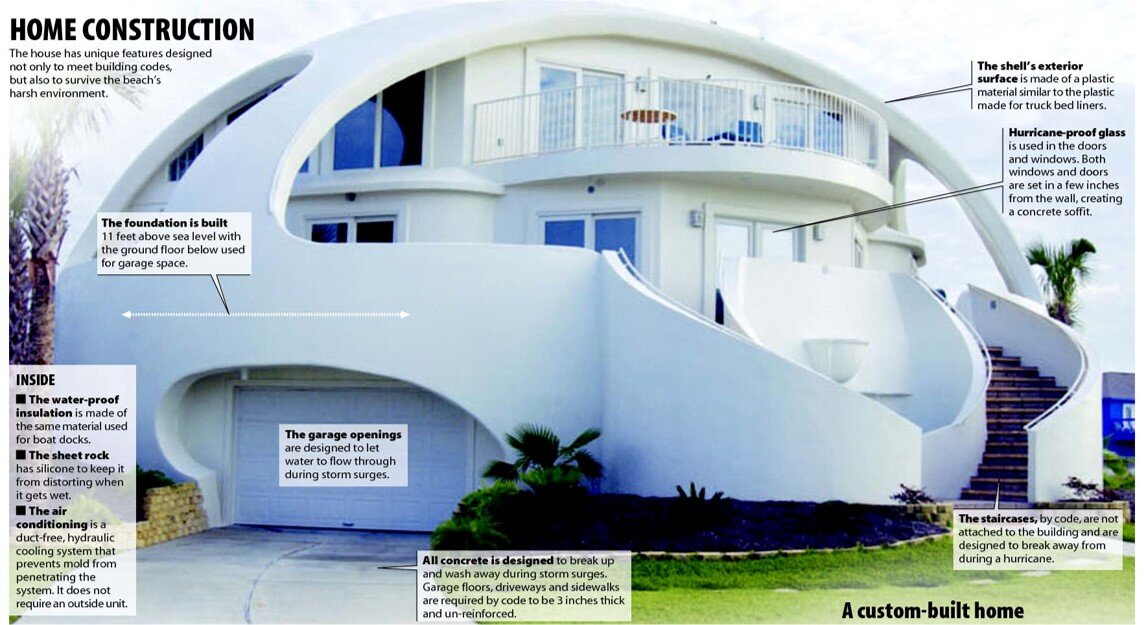
القبة الأحادية (شكل ١)
The Monolithic Dome (Fig. 1)

القبة الأحادية (شكل ٢)
The Monolithic Dome (Fig. 2)

القبة الأحادية (شكل ٣)
The Monolithic Dome (Fig. 3)
